Pest Management

Protecting Trees for a Healthy Landscape
Protecting trees and shrubs from invasive insects and damaging pests is an important part of maintaining a healthy landscape. Our Pest Management services focus on identifying problems early, implementing effective treatment plans, and helping preserve the long-term health and value of your trees and ornamental plants.
With certified, licensed pesticide applicators on staff, we provide both preventative and corrective treatments for a variety of common landscape pests affecting properties throughout the Triangle area. Our goal is to use the right treatment, at the right time, to minimize damage while supporting overall plant health.

Common Signs of Pest Problems
Many pest issues begin subtly and become more difficult to manage if left untreated. Common warning signs include:
- Thinning canopies or premature leaf drop
- Branch dieback
- Discolored or undersized foliage
- Bark abnormalities or excessive sap production
- Increased woodpecker activity
- Visible insects, egg masses, or scale infestations
If you notice changes in the appearance or performance of your trees and shrubs, early diagnosis can often make treatment more effective.
Types of Treatments

Soil Injections
Additional Treatment Methods
Truck Injections
Soil injections deliver systemic treatments directly into the root zone, where they are absorbed by the tree and distributed throughout its vascular system. This method is commonly used to manage certain insect pests and provides effective protection while minimizing drift and reducing exposure to surrounding plants and beneficial insects.
Truck Injections
Additional Treatment Methods
Truck Injections
Trunk injections deliver treatments directly into the tree's vascular system, allowing the product to move quickly throughout the canopy. This targeted application is often recommended for high-value trees or when rapid uptake and precise delivery are important. Trunk injections are commonly used to protect trees from destructive pests such as Emerald Ash Borer and to treat certain tree diseases.
Additional Treatment Methods
Additional Treatment Methods
Additional Treatment Methods
Depending on the pest and the plant being treated, additional methods such as bark applications or foliar sprays may also be recommended. Our ISA Certified Arborists and licensed pesticide applicators select the most appropriate treatment strategy based on the specific needs of your landscape.
Common Invasive Pests in Raleigh
Emerald Ash Borer

Emerald Ash Borer continues to threaten ash trees throughout North Carolina and can cause severe decline or death if left untreated. Fortunately, healthy ash trees can often be successfully protected through preventative treatment programs.
Our team can evaluate the condition and value of your ash trees and recommend appropriate treatment schedules to help preserve them for years to come.
Crape Myrtle Bark Scale
Crape Myrtle Bark Scale has become increasingly common throughout North Carolina and can significantly affect the appearance and vigor of crape myrtles. Symptoms often include white or gray scale insects attached to branches and trunks, black sooty mold growth, and reduced flowering performance.
Through proper diagnosis and targeted treatment programs, infestations can often be effectively managed while improving the health and appearance of affected trees.
Our Pest Management Process
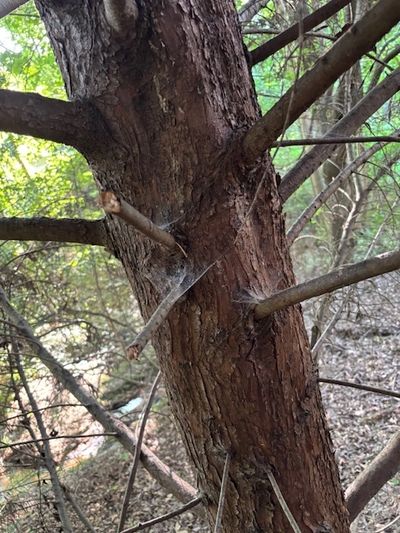
Evaluation and Diagnosis
Every treatment program begins with a thorough evaluation of the tree or shrub, site conditions, and the severity of the issue.
Treatment Recommendations
Based on our findings, we develop a treatment plan tailored to the specific pest, plant species, and overall health of the landscape.
Application and Monitoring
Treatments may include soil applications, trunk injections, bark treatments, or other management strategies depending on the situation. Follow-up monitoring helps ensure treatments are performing as intended and allows adjustments when necessary.
Integrated Plant Health Care
Effective pest management is about more than treating insects after damage occurs. Healthy trees are often better equipped to tolerate environmental stress and resist pest pressures. When appropriate, we may recommend additional plant health care services such as deep root fertilization, soil improvements, or cultural recommendations to support long-term landscape health.